Costes Ocultos de Integración API en Sistemas TMS 2026: Cómo Evitar Sobrecostes del 200% Mientras Navegas las Nuevas Normativas Europeas y la Consolidación de Proveedores - Guía Estratégica para Cargadores Españoles


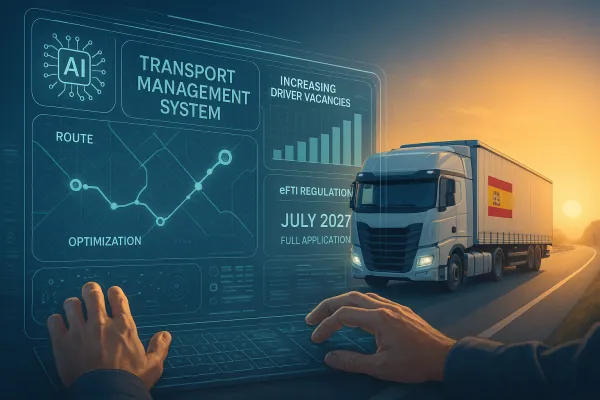
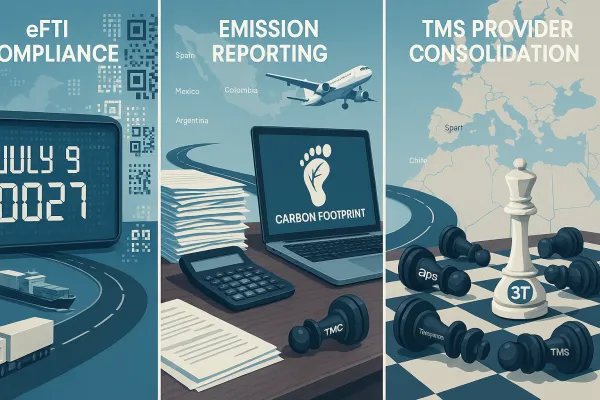
En este primer trimestre de 2026, los departamentos de logística de empresas españolas se enfrentan a una tormenta perfecta que puede explotar sus presupuestos de integración TMS. Basic API integrations cost €5,000-€15,000, while complex ERP connections exceed €50,000, pero estos son solo los costes visibles. Hidden costs in TMS procurement consistently add 25-30% more than initial estimates, turning what looked like smart investments into budget disasters. Mientras tanto, las nuevas normativas europeas de 2026 y la consolidación masiva de proveedores están multiplicando la complejidad de integración de formas que muchos responsables de compras no anticipan.
Para cargadores con presupuestos de transporte superiores a €5M anuales, for shippers with annual freight under management exceeding €250M, implementation costs often run 2-3x the subscription fees. No es una exageración: Budget overruns hit 75% of European TMS implementations, y la situación está empeorando.
La Revolución API-First que Está Redefiniendo la Selección TMS en 2026
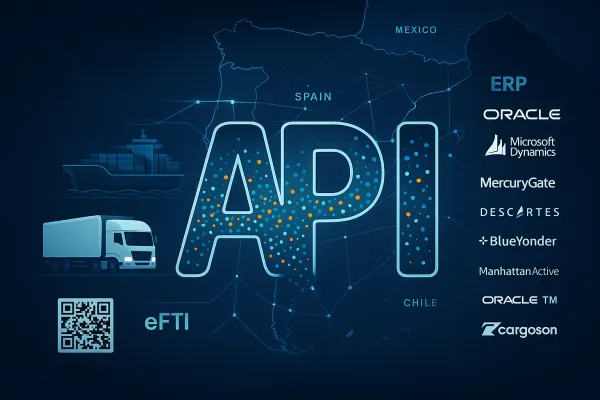
El mercado TMS ha evolucionado radicalmente hacia arquitecturas API-first, alejándose de los sistemas EDI tradicionales. API spend for carrier connectivity is a major cost driver early on for your Transportation Management System. In 2026, expect these external integrations to consume 40% of your total revenue. Esta transición no es opcional: es un cambio estructural que afecta directamente tu presupuesto.
Los principales proveedores como nShift, Transporeon, Alpega, and Cargoson prioritize RESTful APIs with standardized data formats, pero sus enfoques difieren significativamente en términos de costes ocultos. Mientras que algunas plataformas requieren que los transportistas implementen interfaces EDI estándar por su cuenta, Cargoson builds true API/EDI connections with carriers rather than requiring standardized EDI messages that carriers must implement.
Los 7 Costes Ocultos que Pueden Explotar tu Presupuesto de Integración TMS
Los costes reales de integración TMS van mucho más allá de las tarifas de suscripción. The sticker price is only one part of the check you will write. Veamos los principales componentes que los proveedores raramente discuten durante las demos iniciales:
1. Conectividad con Transportistas: Carrier connectivity represents one of the largest hidden cost areas. Some TMS providers offer published APIs for carrier integration, but carriers may charge shippers for establishing these connections. Para el shipper doméstico básico que necesita 10-15 integraciones mínimo, esto puede representar miles de euros adicionales.
2. Personalización del Sistema: Off-the-shelf TMS products are cheaper because you adapt to their workflow. If you run specialized hauling (bulk, hazmat, intermodal, LTL), you may need a higher-tier plan or paid customization.
3. Licencias de Aplicaciones Terceras: Shippers pay additional fees to integrate with third-party applications, such as SMC license or PC Miler license fees.
4. Mantenimiento Anual: Licensed TMS models include annual maintenance charges ranging from 15-20% of license costs.
5. Infraestructura y Escalabilidad: When business reaches peak seasons, the SaaS transportation management system software cost increases in sync with turnover. A custom TMS, on the other hand, allows you to process an unlimited number of transactions.
6. Costes de Implementación: TMS implementation costs range from €30,000 to €900,000, depending on complexity and vendor approach.
7. Solicitudes API Adicionales: SaaS providers often impose strict limits on the number of API requests. If your system needs to sync data with a marketplace or customs terminal 100 times per hour, you'll need to pay for each request over the limit.
Integración con Transportistas: El Coste Silencioso más Subestimado
La conectividad con transportistas representa uno de los mayores puntos ciegos presupuestarios. European shippers working with 20-30 regular carriers face substantial connectivity expenses that vendors rarely discuss during initial demos. European shippers face unique challenges with cross-border carrier requirements. Most European shippers work with 20-30 regular carriers but could benefit from access to 200-300 qualified providers.
Para las operaciones españolas, esto significa navegar requisitos específicos como las obligaciones de V-16 y tacógrafo, junto con las complejidades de conectividad internacional. Here's the reality check: many carriers aren't willing or able to create API connections, and even when they are, they'll charge integration costs to you.
Marco Regulatorio 2026: Cómo las Nuevas Normativas Multiplican la Complejidad de Integración
El panorama regulatorio español y europeo de 2026 está creando una tormenta perfecta de requerimientos de integración. The year 2026 promises to be exceptionally challenging for the transport industry in Europe. Stricter regulations regarding the transport of dangerous goods will come into effect, as well as new vehicle safety requirements, the obligation of tachographs in vans, and the digitization of international documents.
Las fechas clave que deben estar en tu radar:
Julio 1, 2026: From July 1, 2026, vans weighing 2.5-3.5 tons performing international transport of goods will be subject to the obligation to use second-generation smart tachographs (G2V2) and working time regulations analogous to those applicable to truck drivers. The purchase and installation of a tachograph is just the beginning of formalities and costs (the cost of one device is about 1,000 euros without installation). Companies need to issue driver cards and company cards, train staff, and update internal procedures and data reading software.
Enero 2026 - eFTI Fase Voluntaria: Member States authorities may start accepting data stored on certified eFTI platforms for inspection from January 2026. Use this voluntary period for real-world testing and staff training.
Julio 9, 2027 - eFTI Obligatorio: Certified digital systems can start being used in 2026, with full mandatory acceptance by authorities from 9th of July 2027. From that date, paper documents will no longer be considered valid for inspections.
Tu sistema TMS debe integrar estas capacidades ahora, no esperar hasta las fechas límite. Plan for 15-20% budget increases in 2026-2027 if reactive, or 8-12% if proactive with proper contract protection.
La Consolidación Masiva de Proveedores: Cómo Proteger tu Inversión TMS
La ola más significativa de consolidación de proveedores TMS en más de una década está sucediendo ahora mismo. WiseTech's acquisition of e2open for $3.30 per share in cash equating to an enterprise value of $2.1 billion marks the largest TMS industry acquisition to date, while Descartes Systems Group has acquired Columbus, Ohio-based 3Gtms for $115 million USD in cash, reshaping vendor options for European buyers.
Esta consolidación no es solo una noticia de la industria: tiene implicaciones directas para tu presupuesto de integración. Companies undergoing integration often experience 12-18 months of reduced innovation while they harmonize platforms and teams. Consider how this consolidation extends integration timelines. Product roadmap uncertainties are already surfacing. When two TMS platforms merge, customers inevitably face decisions about which system to standardize on, what features will be deprecated, and how long dual support will continue.
La consolidación crea tres categorías distintas de proveedores: global mega-vendors (Oracle TM, SAP TM, E2open/WiseTech), European specialists (Alpega, nShift, Transporeon), and emerging European-native solutions like Cargoson that focus specifically on cross-border European operations.
Estrategias de Integración: Hub-and-Spoke vs. Punto-a-Punto
La elección arquitectónica entre enfoques hub-and-spoke y punto-a-punto tiene implicaciones financieras fundamentales para las operaciones españolas. Hub-and-spoke versus point-to-point integration strategies create fundamentally different operational outcomes. Hub-and-spoke architectures centralize data transformation and business logic, simplifying compliance management and reducing maintenance overhead. Point-to-point connections offer lower initial costs but create complex webs of dependencies that become expensive to maintain and modify.
Para cargadores españoles que manejan operaciones multi-modales a través de múltiples países europeos, las arquitecturas centralizadas ofrecen ventajas específicas:
Transformación Centralizada de Datos: Un solo punto de control para mapear formatos de datos entre tu ERP, el TMS, y los múltiples sistemas de transportistas.
Gestión Simplificada de Cumplimiento: Las normativas europeas como eFTI requieren formatos específicos de datos. Los hubs centralizan esta gestión.
Reducción de Overhead de Mantenimiento: Menos conexiones individuales significan menos puntos de fallo y costes de mantenimiento reducidos a largo plazo.
Los proveedores que ofrecen diferentes enfoques incluyen plataformas como MercuryGate (ahora Infios), Descartes, y Cargoson, cada uno con metodologías de integración distintas que impactan los costes totales de manera diferente.
Framework de Control de Costes para Implementaciones TMS Españolas
El control efectivo de costes requiere una metodología estructurada que vaya más allá de comparar tarifas de suscripción. Cloud TMS pricing ranges from $1.00 to $4.00 per freight load booked in the system, while licensed options demand significant upfront investment plus ongoing maintenance fees. For many European shippers, this translates to predictable monthly costs that scale with business growth rather than fixed infrastructure investments.
Tu modelo TCO (Total Cost of Ownership) debe incluir estos componentes separados:
Componente 1: Costes de Suscripción Base - Representa menos de un tercio de la inversión total para implementaciones complejas.
Componente 2: Integración y Configuración - Basic API integrations typically cost between $5,000 and $15,000, while connecting with complex ERP systems might exceed $50,000.
Componente 3: Conectividad de Transportistas - Costes variables que escalan con tu red de proveedores.
Componente 4: Cumplimiento Regulatorio - Your TCO calculator should include separate line items for eFTI compliance costs, whether built into transaction fees or charged separately. The approaching mandate makes this a required expense, not optional functionality.
Componente 5: Mantenimiento Continuo - Companies need to set aside 15-20% of their initial transport management system cost each year for system upkeep. This covers software updates, security fixes, and help desk services.
Los plazos de implementación también afectan el presupuesto. Cloud TMS implementations often conclude within eight weeks, compared to 6-18 months for traditional systems. Para empresas españolas, esto significa que puedes acelerar el tiempo hasta el ROI si seleccionas la arquitectura correcta.
Casos Reales: Lecciones de Implementaciones TMS Exitosas y Fallidas
Los errores más costosos son completamente evitables si entiendes los patrones de fallo comunes. A German automotive parts manufacturer discovered their €800,000 TMS implementation mistake the hard way. Six months into deployment, they realized their new system couldn't handle their complex carrier network across 12 European countries.
¿Qué hizo predecible su desastre? They evaluated their TMS like a standalone software purchase instead of a strategic transformation that affects every carrier relationship, integration requirement, and operational workflow across their European network.
Los patrones de éxito incluyen evaluaciones centradas en la capacidad de cumplimiento regulatorio en lugar de listas tradicionales de funciones. Smart procurement teams are structuring their TMS evaluations around compliance readiness rather than traditional feature checklists. This means evaluating vendors like Cargoson, Manhattan Active TMS, Blue Yonder, and Oracle TM based on their demonstrated regulatory compliance capabilities, not just their routing algorithms or carrier connectivity.
Factores de Éxito Clave:
Implementación en fases que protege contra la disrupción de proveedores estableciendo funcionalidad core primero, luego añadiendo módulos de cumplimiento. Start with core functionality in Q2-Q3 2025, activate AI features in Q4 2025, and ensure eFTI compliance by Q1 2026.
Evaluación de la estabilidad financiera de los proveedores y resistencia a las adquisiciones como criterios core de procurement. Success requires treating vendor stability and acquisition-resistance as core procurement criteria alongside traditional functionality and cost evaluation.
Contratos que incluyen protecciones específicas para escenarios de adquisición. Acquisition-resistant contracts require specific protections including 12-18 months advance notice for ownership changes, guaranteed functionality preservation for minimum periods, and migration assistance rights.
Próximos Pasos Accionables:
El tiempo para decisiones estratégicas se está reduciendo. Organizations that act decisively in 2025-2026 can secure favorable contract terms and compliance-ready platforms before market consolidation limits options. Those that delay face reduced vendor choice, increased implementation timelines, and potential compliance gaps as 2027 deadlines approach.
Comienza tu evaluación TMS ahora, estructura contratos alrededor de hitos de cumplimiento, y prioriza proveedores con capacidades demostradas de cumplimiento regulatorio europeo. La diferencia entre éxito presupuestario y fallo radica en entender estos costes ocultos antes de la firma del contrato, no después de que llegue la factura.